
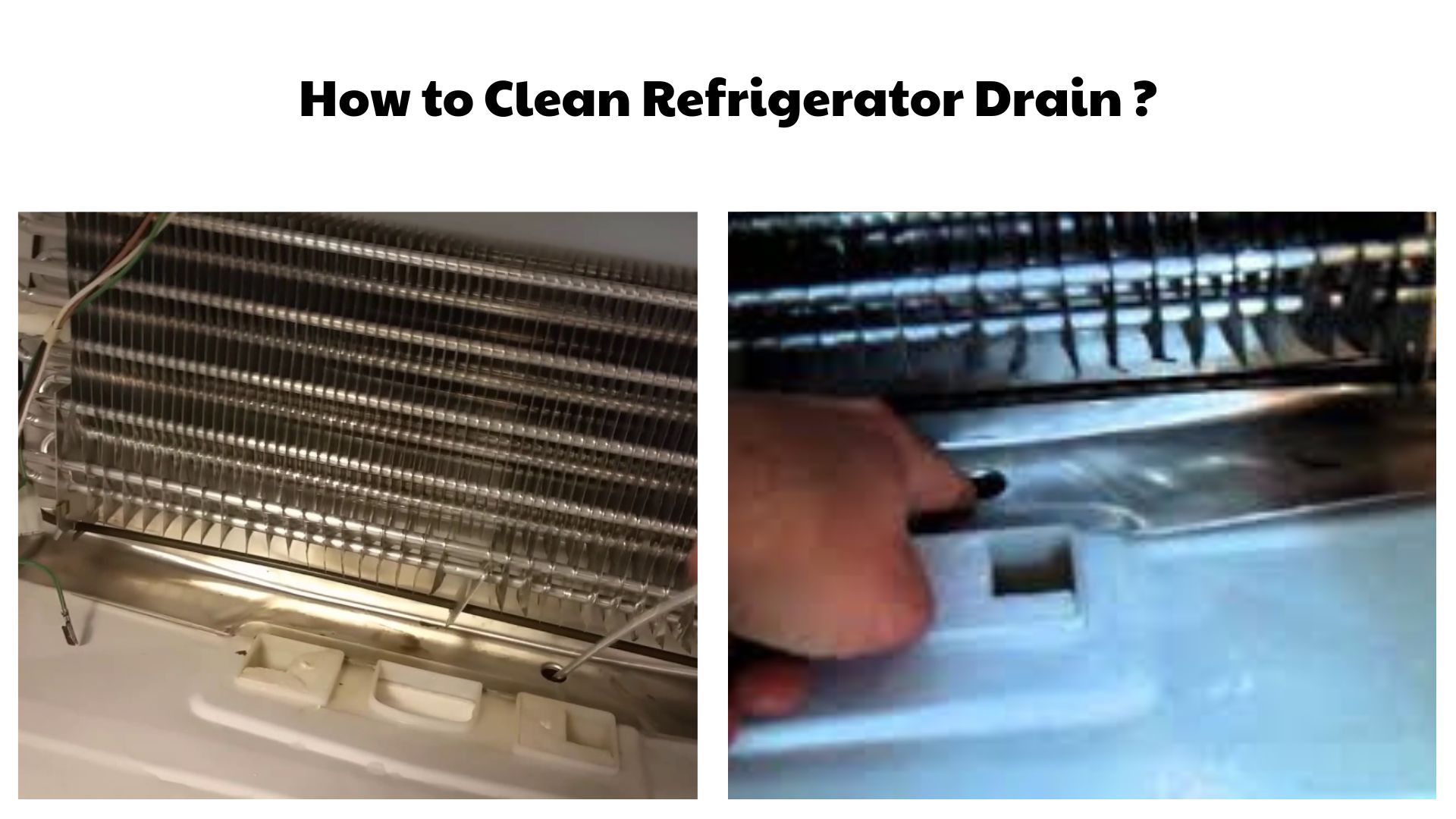
The refrigerator drain plays a critical role in removing condensation and defrost water that naturally forms during normal cooling cycles. Without a properly functioning drain system, excess water would accumulate inside the appliance, leading to leaks, ice buildup, and hygiene issues.
In most refrigerators, water flows through a simple pathway: it collects at the drain hole, moves through a drain tube, and is finally deposited into a drain pan located near the compressor, where it evaporates naturally. This system is designed to operate continuously and silently, but only when it remains free of blockages.
Over time, clogs can form due to food particles, dust, mold growth, or ice accumulation. These blockages disrupt the normal flow of water and cause it to back up into the refrigerator or freezer compartments. As a result, users may notice standing water, unpleasant odors, or even frost buildup in affected areas.
A blocked drain not only creates hygiene problems but also affects the overall performance of the refrigerator. Excess moisture forces the appliance to work harder, reducing cooling efficiency and potentially increasing energy consumption. In severe cases, it may even lead to internal damage or water leakage onto the kitchen floor.
Regular maintenance of the drain system is essential to ensure both cleanliness and efficiency. Light cleaning helps prevent minor buildup, while deeper cleaning removes stubborn blockages and restores proper drainage.
For most households, it is recommended to inspect and clean the drain monthly, while a more thorough seasonal deep cleaning should be performed every 3–6 months, especially in humid environments or heavy-use kitchens.
Common Problems Caused by a Clogged Refrigerator Drain
A clogged refrigerator drain can lead to a wide range of operational and hygiene issues. These problems often develop gradually but can quickly worsen if left untreated, affecting both the refrigerator’s performance and the cleanliness of stored food.
Water pooling inside fridge or freezer bottom
One of the most common signs of a blocked drain is water accumulating at the bottom of the refrigerator or freezer. This happens when condensation cannot exit through the drain system and instead collects inside the compartments.
Ice buildup near drain hole or evaporator area
When water is unable to drain properly, it may freeze near the drain hole or evaporator coil. Over time, this ice buildup can expand and further block airflow and drainage pathways.
Foul odors caused by trapped food debris and mold
Food particles and stagnant water trapped in the drain system create an ideal environment for mold and bacteria growth. This often results in strong, unpleasant odors spreading throughout the refrigerator.
Water leaking onto kitchen floor
If the drain is completely blocked, excess water may overflow inside the fridge and eventually leak onto the kitchen floor, creating a mess and potential slipping hazard.
Reduced cooling efficiency
A clogged drain can indirectly affect cooling performance by increasing internal humidity and disrupting airflow. The refrigerator may need to work harder to maintain temperature stability.
Overflowing or dirty drain pan
When water cannot flow smoothly through the drain tube, the drain pan may overflow or become contaminated with debris, reducing its ability to evaporate water properly.
Mold growth inside drain tube
Moisture combined with organic debris can lead to mold formation inside the drain tube. This buildup can further restrict water flow and contribute to bad odors.
Frost formation due to improper drainage
Blocked drainage can cause excess moisture to freeze inside the freezer compartment, leading to frost buildup that affects storage space and efficiency.
Tools and Materials Needed for Cleaning Refrigerator Drain
Before starting the cleaning process, it is important to gather the right tools and cleaning solutions. Using appropriate materials ensures effective cleaning while preventing damage to the drain system or internal components.
Basic cleaning solutions
Warm water
Warm water is used to flush the drain system and help loosen minor debris or soft blockages. It is safe for most refrigerator components and effective for routine maintenance.
White vinegar solution
A mixture of white vinegar and water acts as a natural disinfectant. It helps break down grease, dissolve mineral buildup, and eliminate mold or bacteria inside the drain line.
Baking soda solution
Baking soda helps neutralize odors and loosen stubborn residue. When combined with warm water, it can assist in cleaning organic buildup inside the drain system.
Mild dish soap
A small amount of mild dish soap can be used for cleaning removable parts such as the drain pan. It helps remove grease and dirt without damaging surfaces.
Cleaning tools
Pipe cleaner or flexible brush
These tools are designed to reach inside narrow drain tubes and remove sludge, debris, and buildup without damaging internal components.
Turkey baster or syringe
A turkey baster or large syringe is useful for flushing cleaning solutions through the drain hole with controlled pressure.
Cotton swabs
Cotton swabs help clean small openings around the drain hole and remove visible dirt in tight spaces.
Soft cloth or sponge
A soft cloth or sponge is used to wipe surrounding areas and clean any spills or residue safely.
Funnel
A funnel helps guide liquid cleaning solutions directly into the drain hole without spilling, ensuring more effective flushing.
Bucket or towels for water collection
These are used to catch excess water during cleaning, preventing mess and protecting kitchen surfaces from moisture damage.
Thin wire or drain cleaning tool
A thin flexible wire can be used carefully to dislodge stubborn clogs inside the drain tube. It should be used gently to avoid puncturing or damaging the system.
Safety Steps Before Cleaning Refrigerator Drain
Before starting any cleaning process on the refrigerator drain system, proper preparation is essential. Since this area deals with water flow, hidden tubing, and internal components, taking safety precautions helps prevent electrical hazards, water damage, and accidental damage to sensitive parts of the appliance.
Unplug the refrigerator for safety
Unplugging the refrigerator is strongly recommended before deep cleaning the drain system. Although some minor maintenance can be done while the unit is running, working with water near internal components increases the risk of electrical shock or short circuits. Disconnecting power ensures a safe working environment and prevents accidental activation of cooling cycles while you are cleaning.
Remove food and clear fridge compartments
Before accessing the drain area, remove food items from the refrigerator or freezer sections as needed. This step not only protects food from contamination but also gives you better visibility and working space. Clearing shelves near the back wall allows you to fully access the drain hole and surrounding areas without obstruction.
Locate drain hole (back wall or freezer base)
The drain hole is typically located at the back wall of the refrigerator or at the base of the freezer compartment, depending on the model. It may sometimes be hidden under a plastic cover or blocked by ice buildup. Identifying its exact location is crucial before attempting any cleaning or flushing procedures.
Prepare towels to absorb excess water
Cleaning the drain system often involves flushing water through internal tubes, which can lead to overflow or dripping. Placing towels at the base of the refrigerator and around the working area helps absorb excess water and prevents mess on your kitchen floor. This also protects flooring from moisture damage.
Remove drain pan (if accessible)
Many refrigerators include a drain pan located near the compressor at the bottom of the unit. If it is accessible, carefully remove it before cleaning. The drain pan often collects evaporated water and can contain residue, dust, or mold buildup. Removing it allows for thorough cleaning and inspection.
Avoid damaging coils or internal parts
Inside and behind the refrigerator are sensitive components such as condenser coils and wiring. When accessing the drain system, avoid using force or sharp tools near these areas. Damaging coils can reduce cooling efficiency and lead to costly repairs. Always handle internal parts gently and focus only on the drain components.
Step-by-Step Guide to Clean Refrigerator Drain
Cleaning a refrigerator drain requires a structured approach to ensure proper water flow is restored without damaging internal components. Each step helps remove blockages, eliminate odors, and prevent future clogging issues.
Step 1 – Locate the drain hole
Begin by identifying the exact location of the drain hole. In most refrigerators, it is found at the back wall of the fridge compartment or at the bottom of the freezer section. In some cases, it may be partially hidden by plastic covers or obstructed by ice buildup. Carefully inspect the area to ensure full access before proceeding.
Step 2 – Remove visible blockages
Once the drain hole is located, remove any visible debris such as food particles, dust, or ice fragments. Use a soft cloth or paper towel to gently clean the surrounding area. This step helps open the surface entry point of the drain and allows cleaning solutions to flow more effectively into the tube.
Step 3 – Break up ice buildup
If ice has formed around the drain area, it must be safely melted before proceeding. You can use a warm cloth or allow warm air from a hairdryer (on low heat) to gradually melt the ice. Avoid using sharp tools, as they may puncture or damage the drain line. Patience is important in this step to prevent internal damage.
Step 4 – Flush drain with cleaning solution
Prepare a mixture of warm water and white vinegar, which helps dissolve grease, kill bacteria, and break down mild clogs. Slowly pour the solution into the drain hole using a turkey baster or funnel. Allow the liquid to travel through the system naturally, ensuring it reaches the drain pan below.
Step 5 – Clean drain tube
If blockage persists, use a flexible pipe cleaner or drain brush to gently reach inside the tube. Carefully move the tool back and forth to loosen sludge, mold, or trapped debris. Avoid forcing the tool too deeply, as excessive pressure can damage the internal tubing.
Step 6 – Rinse thoroughly
After cleaning the drain tube, flush the system again using clean warm water. This step removes any remaining vinegar solution, loosened debris, and contaminants. Proper rinsing ensures that water flows freely from the drain hole into the drain pan without resistance or blockage.
Step 7 – Clean drain pan
Remove the drain pan if accessible and wash it thoroughly using warm water and mild dish soap. For stronger cleaning, a small amount of vinegar can be added to remove odors and bacteria. After washing, dry the pan completely before reinstalling it to prevent mold growth.
Step 8 – Reassemble and test drainage
Once all components are clean and dry, reassemble the refrigerator and reconnect power. Observe the drainage system by checking for proper water flow into the drain pan. Ensure there is no pooling, leaking, or unusual odor, which would indicate remaining blockage.
Deep Cleaning vs Regular Maintenance
Maintaining a refrigerator drain system requires both routine inspections and periodic deep cleaning. Each level of maintenance serves a different purpose: regular maintenance prevents buildup from forming, while deep cleaning removes stubborn clogs and restores proper drainage efficiency.
Weekly inspection for water buildup
A quick weekly inspection helps detect early signs of drainage issues. Check the bottom of the refrigerator and freezer compartments for any standing water or unusual moisture. Catching small issues early prevents them from developing into major clogs or leaks.
Monthly flushing of drain hole
Once a month, it is recommended to flush the drain hole with warm water or a mild vinegar solution. This helps clear minor debris, prevent grease buildup, and reduce the risk of mold formation inside the drain line.
Quarterly deep cleaning of drain tube
Every three months, perform a more thorough cleaning of the drain tube using a flexible brush or pipe cleaner. This step removes accumulated sludge, food particles, and mineral deposits that cannot be cleared through simple flushing.
Seasonal defrost cleaning for freezer drains
Freezer drains are more prone to ice buildup, especially during seasonal temperature changes. A seasonal defrost cleaning helps melt ice blockages and ensures that meltwater can flow freely through the drainage system.
Extra maintenance in humid environments
In humid climates, condensation forms more frequently, increasing the risk of mold and clogs. In such environments, more frequent cleaning and inspections are necessary to maintain optimal drain performance and hygiene.
Tips to Keep Refrigerator Drain Clean Longer
Preventive care is the most effective way to keep the refrigerator drain system functioning properly. Small habits in daily usage can significantly reduce the risk of clogs and extend the time between deep cleanings.
Avoid blocking airflow inside fridge
Proper airflow ensures even cooling and prevents excess condensation buildup. Avoid overcrowding shelves or blocking air vents, as restricted airflow can lead to excess moisture accumulating near the drain system.
Do not place food near back wall
Food items placed too close to the back wall can block the drain hole or cause food particles to fall into it. Always leave some space between food and the rear interior surface of the refrigerator.
Clean spills immediately
Spills should be cleaned immediately to prevent liquids and food residues from entering the drain system. Delayed cleaning increases the risk of sticky buildup and bacterial growth.
Use vinegar flush every few months
A preventive vinegar flush every few months helps dissolve early-stage buildup, kill bacteria, and keep the drain tube clean without requiring intensive maintenance.
Keep freezer defrost system maintained
A properly functioning defrost system ensures that ice does not accumulate excessively around the drain area. Regular maintenance of this system supports consistent drainage performance.
Check drain pan regularly
The drain pan should be inspected periodically for dirt, overflow, or stagnant water. Cleaning it regularly prevents odor buildup and ensures proper evaporation of collected water.
Prevent ice buildup with proper temperature settings
Incorrect temperature settings can contribute to excessive freezing near the drain area. Maintaining optimal refrigerator and freezer temperatures helps prevent unnecessary ice formation.
Signs Your Refrigerator Drain Is Clogged
A clogged refrigerator drain often shows clear warning signs before it becomes a serious issue. Recognizing these early symptoms helps prevent water damage and costly repairs.
Water pooling at bottom of fridge
Standing water inside the refrigerator is one of the most common indicators of a blocked drain. This happens when condensation cannot exit through the drainage system.
Ice forming near drain area
Ice buildup around the drain hole suggests that water is freezing instead of draining properly, often due to partial or complete blockage.
Bad smell coming from fridge interior
A clogged drain can trap food particles and moisture, leading to bacterial growth and unpleasant odors spreading inside the refrigerator.
Water leaking outside refrigerator
If water overflows from the internal compartments, it may leak onto the kitchen floor, indicating a severe drainage blockage.
Frost inside freezer base
Excess moisture that cannot drain properly may freeze inside the freezer base, creating thick frost layers that affect storage capacity.
Slow drainage after defrost cycle
If water takes longer than usual to drain after a defrost cycle, it may indicate partial clogging in the drain tube.
Visible mold near drain hole
Mold growth around the drain hole suggests long-term moisture buildup and poor drainage hygiene.
Unusual humidity inside fridge
Increased humidity levels inside the refrigerator often indicate that moisture is not being properly removed through the drainage system.
Common Mistakes to Avoid
Improper cleaning techniques can worsen drain problems or damage internal components. Avoiding these common mistakes helps ensure safe and effective maintenance of the refrigerator drainage system.
Using sharp tools to clear drain
Sharp objects can puncture or damage the drain tube, leading to permanent leaks or costly repairs. Always use soft or flexible cleaning tools instead.
Ignoring early signs of clogging
Delaying maintenance when early symptoms appear can lead to complete blockages and more serious water damage inside the refrigerator.
Not unplugging fridge before cleaning
Failing to disconnect power increases the risk of electrical hazards, especially when water is involved during the cleaning process.
Overusing harsh chemicals like bleach
Strong chemicals can damage internal plastic parts and leave harmful residues. Mild cleaning solutions like vinegar are safer and more effective.
Forcing wire too deep into tube
Inserting tools too forcefully can damage or dislodge internal components of the drain system. Gentle movement is always recommended.
Skipping drain pan cleaning
Neglecting the drain pan allows bacteria, mold, and odors to build up, reducing overall refrigerator hygiene and performance.
Not drying components after cleaning
Leaving moisture inside the system encourages mold regrowth and can quickly undo the benefits of cleaning if components are not properly dried.
Conclusion
Keeping your refrigerator drain clean is essential for maintaining a hygienic, efficient, and leak-free appliance. Although the drain system is often out of sight, it plays a critical role in removing condensation and defrost water, preventing moisture buildup inside the fridge and freezer compartments.
When the drain becomes clogged with food particles, mold, ice, or debris, it can quickly lead to problems such as water pooling, unpleasant odors, frost buildup, and even water leaking onto your kitchen floor. Over time, these issues not only affect food safety but also reduce the overall cooling performance of your refrigerator.
By following a simple maintenance routine—regular inspections, monthly flushing, and periodic deep cleaning—you can prevent most drainage problems before they occur. Using safe cleaning solutions like warm water and vinegar, along with proper tools such as flexible brushes and turkey basters, ensures effective cleaning without damaging internal components.
Ultimately, consistent care of your refrigerator drain system helps extend the lifespan of your appliance, improves energy efficiency, and keeps your kitchen environment clean and odor-free. A few minutes of maintenance each month can save you from costly repairs and unexpected breakdowns in the future.
Frequently Asked Questions (FAQ)
1. What is a refrigerator drain and what does it do?
A refrigerator drain is a small but essential system designed to remove condensation and defrost water from inside the appliance. It collects water from the drain hole, channels it through a drain tube, and directs it into a drain pan where it evaporates naturally. Without this system, water would accumulate inside the fridge and freezer, leading to leaks and hygiene issues.
2. Why does my refrigerator drain get clogged?
Refrigerator drains commonly clog due to food particles, dust, mold growth, and ice buildup. Over time, small debris can enter the drain hole, while humidity encourages mold formation. In freezer units, freezing temperatures can cause ice blockages that restrict water flow through the tube.
3. How do I know if my refrigerator drain is clogged?
Common signs include water pooling at the bottom of the fridge, unpleasant odors, frost buildup in the freezer, or water leaking onto the kitchen floor. These symptoms indicate that condensation is not properly flowing through the drain system.
4. Where is the refrigerator drain hole located?
In most refrigerators, the drain hole is located at the back wall of the fresh food compartment or at the base of the freezer section. Some models hide it under a plastic cover or ice buildup, so careful inspection is often required.
5. Can I clean the refrigerator drain myself?
Yes, most refrigerator drain cleaning tasks can be done at home using basic tools such as warm water, vinegar, a turkey baster, and a pipe cleaner. However, severe blockages or internal damage may require professional assistance.
6. How often should I clean my refrigerator drain?
It is recommended to flush the drain monthly and perform a deeper cleaning every 3–6 months. In humid environments or heavy-use kitchens, more frequent maintenance may be necessary.
7. What is the best way to clean a refrigerator drain?
The best method is to flush the drain with a warm water and vinegar solution, then use a flexible brush or pipe cleaner to remove debris. Finally, rinse thoroughly with clean water to ensure proper flow.
8. Can vinegar damage refrigerator drain parts?
No, diluted vinegar is generally safe and is commonly used for cleaning refrigerator drains. It helps break down grease, mold, and mineral buildup without damaging plastic or rubber components when used correctly.
9. Can I use bleach to clean a refrigerator drain?
Bleach is not recommended because it can damage internal components and leave harmful chemical residues. Safer alternatives include vinegar, baking soda solutions, or mild dish soap.
10. Why does my fridge smell bad near the drain?
Bad odors are usually caused by trapped food particles, mold, or stagnant water inside the drain system. Cleaning and flushing the drain typically removes these odor sources.
11. How do I clean a freezer drain?
Freezer drains often require defrosting first to remove ice blockages. After melting ice, flush the drain with warm water and vinegar, then clean the tube using a flexible brush.
12. Can ice block the refrigerator drain?
Yes, ice buildup is a common cause of drain blockage, especially in freezer compartments. It prevents water from flowing into the drain tube and causes internal water pooling.
13. Why is water pooling inside my fridge?
Water pooling occurs when the drain hole or tube is blocked. Condensation cannot exit the refrigerator and accumulates inside the compartments instead.
14. Why is my fridge leaking water onto the floor?
A severe drain blockage can cause overflow inside the refrigerator, leading to leaks that reach the kitchen floor. This often indicates that the drain system is completely clogged.
15. What tools are best for cleaning refrigerator drains?
Useful tools include turkey basters, pipe cleaners, flexible brushes, cotton swabs, funnels, and soft cloths. These tools help flush and remove debris without damaging internal parts.
16. Can I use a wire to unclog the drain?
Yes, but it must be used carefully. A thin flexible wire can help dislodge blockages, but excessive force may damage the drain tube.
17. What causes mold in refrigerator drains?
Mold develops due to moisture, trapped food particles, and poor airflow inside the drain system. Warm, damp environments encourage bacterial and fungal growth.
18. How do I remove mold from a drain tube?
Use a vinegar solution to kill mold, then scrub gently with a pipe cleaner or brush. Repeat flushing until the mold and residue are completely removed.
19. Can a clogged drain affect cooling?
Yes, excess moisture and ice buildup can disrupt airflow and force the refrigerator to work harder, reducing cooling efficiency over time.
20. How long does it take to clean a refrigerator drain?
Most cleaning tasks take between 20 and 45 minutes depending on the severity of the clog and whether ice removal is required.
21. Should I unplug the refrigerator before cleaning the drain?
Yes, unplugging is recommended for safety, especially when using water or accessing internal components near electrical parts.
22. What happens if I never clean the drain?
Neglecting maintenance can lead to persistent clogs, water leaks, mold growth, unpleasant odors, and reduced refrigerator performance.
23. Can refrigerator drains freeze repeatedly?
Yes, if airflow is restricted or the defrost system is not working properly, the drain can freeze again after cleaning.
24. How do I prevent drain clogs?
Regular flushing, keeping food away from the back wall, and maintaining proper temperature settings help prevent clogs.
25. Why does my fridge drain freeze?
Freezing occurs due to low temperatures, poor insulation, or defrost system issues that allow ice to form in the drain line.
26. Can baking soda clean refrigerator drains?
Yes, baking soda helps neutralize odors and loosen buildup when used with warm water as part of a cleaning solution.
27. What is the drain pan used for?
The drain pan collects water from the drain tube and allows it to evaporate naturally using heat from the compressor.
28. How do I clean a drain pan?
Remove the pan, wash it with warm soapy water, and use vinegar for disinfection. Dry completely before reinstalling.
29. Why is my drain pan overflowing?
Overflow usually occurs when the drain system is clogged, preventing water from flowing into the pan correctly.
30. Can food spoilage be caused by drain issues?
Yes, excess humidity and poor cooling caused by drainage problems can shorten food freshness and increase spoilage risk.
31. Why does my fridge have condensation inside?
Condensation occurs when warm air enters due to drainage issues or poor sealing, leading to excess moisture inside the fridge.
32. Can I use hot water to clean the drain?
Warm water is safe, but boiling water should be avoided as it may damage plastic components in the drainage system.
33. What is the safest drain cleaner?
A mixture of warm water and vinegar is the safest and most effective option for regular maintenance.
34. How do professionals clean refrigerator drains?
Technicians use specialized brushes, air pressure tools, and diagnostic methods to fully clear blockages and inspect internal systems.
35. Can drain problems damage the compressor?
Indirectly, yes. Persistent moisture issues can force the compressor to work harder, increasing wear over time.
36. Why does my fridge smell like sewage?
This usually indicates severe mold or bacterial buildup inside the drain system or drain pan.
37. How do I check if the drain is working?
Pour a small amount of warm water into the drain hole and observe whether it flows smoothly into the drain pan.
38. Can I pour boiling water into the drain?
No, boiling water may damage plastic parts. Always use warm, not boiling, water for flushing.
39. Why does water come back into the fridge?
Backflow usually occurs when the drain tube is completely blocked or frozen.
40. Can I use compressed air to clean the drain?
Compressed air can help remove light blockages, but it should be used carefully to avoid damaging internal tubing.
41. How do I stop drain from freezing?
Ensure proper airflow, maintain correct temperature settings, and regularly check the defrost system.
42. Why is cleaning drain important for hygiene?
A clean drain prevents mold, bacteria, and foul odors that can affect food safety inside the refrigerator.
43. Can a clogged drain increase electricity usage?
Yes, poor drainage can reduce efficiency, causing the refrigerator to run longer cycles.
Use a flashlight to locate them and clean gently with cotton swabs or flexible brushes.
45. Can drain issues cause noise?
Yes, water flow disruptions or ice buildup can sometimes create unusual sounds inside the refrigerator.
46. Why does mold keep coming back?
Mold returns when moisture is not fully removed or cleaning is not done regularly.
47. How do I maintain drain system long term?
Follow a regular cleaning schedule, use vinegar flushes, and inspect for early signs of clogging.
48. Can I damage fridge by cleaning drain wrong?
Yes, using sharp tools or excessive force can damage the drain tube or internal parts.
49. What is the fastest way to unclog a drain?
Flushing with warm water and vinegar combined with gentle brushing is the fastest safe method.
50. When should I call a technician?
If repeated cleaning does not restore proper drainage or if there is internal damage, professional repair is recommended.
51. Can dirty drain affect food safety?
Yes, mold and bacteria in the drainage system can indirectly affect air quality and hygiene inside the refrigerator.
52. Why does drain clog keep returning?
Recurring clogs usually indicate incomplete cleaning or unresolved underlying issues like poor airflow or ice buildup.
53. Can I prevent drain odor permanently?
Regular cleaning and moisture control can significantly reduce odors, though periodic maintenance is always necessary.
54. Is drain maintenance expensive?
No, most maintenance can be done at home using inexpensive household tools and cleaning solutions.
55. Is refrigerator drain cleaning necessary?
Yes, it is essential for maintaining hygiene, preventing leaks, and ensuring optimal refrigerator performance over time.
